 |
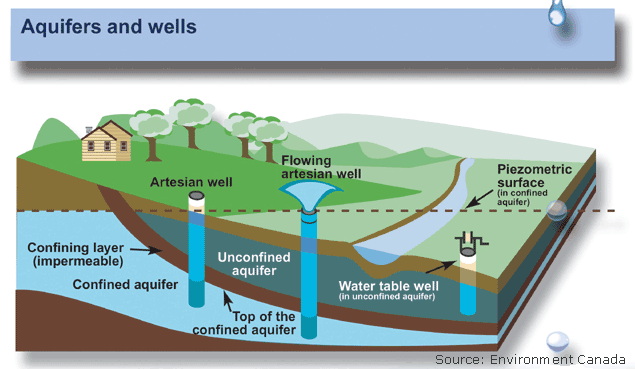
| A diagram of an aquifer. (http://water.usgs.gov/edu/earthgwaquifer.html) |
 |
| The first step in the twelve step process. (http://www.clipartkid.com/green-recycling-bin-cliparts/) |
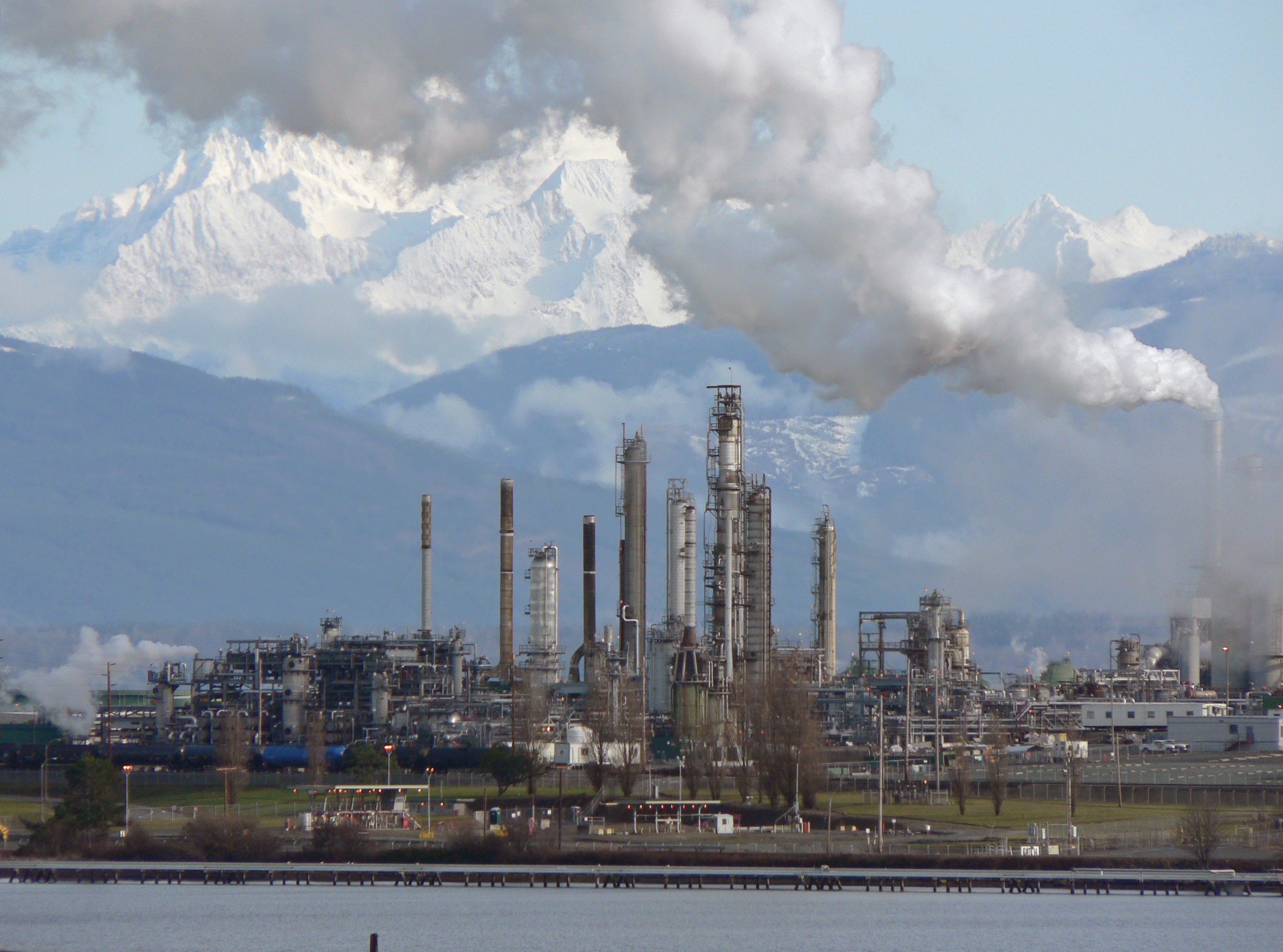 |
| An example of a petroleum plant.(https://en.wikipedia.org/wiki/Oil_refinery) |
Aquifers is where we get our water from. If we are unable to make sure that our quivers are clean we slowly start to loose our fresh water. Once our fresh water slowly starts to deplete we start to loose numerous other systems that thrive on water such as rain forests. Our aquifers are all over the world and are very beneficial to not only the most water based systems, but also even the most driest systems. Also it is very hard to clean an under ground aquifer because once it reaches the surface all of the surface water bacteria can grow into something else because of the sunlight which can be more powerful. Since aquifers are underneath porous soil it is very easy for different oils or containments slip down into the aquifer water.
“Pollution remediation means stopping and reversing damage to environmental systems caused by pollution.” (Robertson, 2014.)
Once we start to stop polluting the air and waters of different systems we can then reverse all the damage we have so far on this world. I like to think to think that the world can go through basically “Pollution Rehab”. We can make a twelve step process, starting with making sure we actually use the recycle bins around campuses and not just throw or trash in the big trash can. Once we start that we are one our way to a better world because we are only on our way up from there. Then we can start making protective plans for our most endangered species as well as areas such as the tropical rainforest, and animals such as white-tailed deer. Once we complete the world’s twelve step process we will see a more beautiful as well as sustainable world.
“Sites contaminated with petroleum and other hydrocarbons are generally rich in carbon and poor in nitrogen and phosphorus.” (Robertson, 2014.)
Petroleum plant sites are also hard to keep clean because of the different nutrients that are already in the petroleum and what is not around present. One of the important nutrients needed to “eat” organic pollutants is phosphorus and phosphorus is not commonly found in around petroleum plant sites. Another environmentally safe nutrient that can absorb organic pollutants is nitrogen. These two nutrients can be added to petroleum to make it more environmentally safe. This can also be done to other chemical spills to easily clean the mess up and make the spill less toxic within the situation. This type of organic clean up is called biostimulation. Scientist can also do this along the shores to kill the different organic pollutants in the water around the world.

No comments:
Post a Comment